How Long Can You Get A Bridge Loan For?
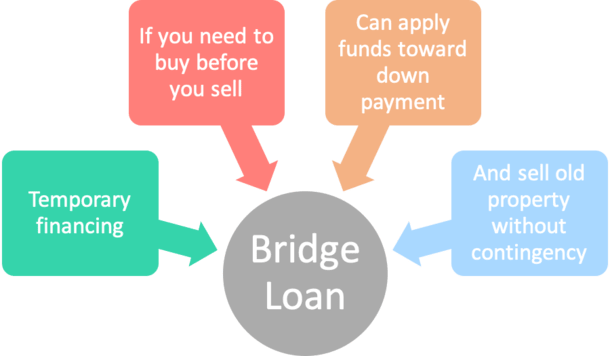
A bridging loan UK is a short-term financing option providing numerous benefits to the borrowers. Property developers and investors most commonly use it to purchase a property. There are more than 150 bridging loan providers across the UK, ranging from private individuals to large lending institutions. Many p2p lending platforms also offer bridging finance to attract more customers.
With a large number of lenders, interest rate, costs, and fees vary considerably, and so does the lending criteria. Each lender has criteria, so you must keep them in mind when finding a bridge loan.
If you are taking a loan for the first time, you have yet to learn how long you can get a bridging loan; here, we are going to describe everything you need to know about bridging loan terms so that you can make an informed decision.
Term Length Of Bridging Loan

By definition, bridging loans are types of short-term loans and are usually offered for a period of a few weeks to 12 months. It is the average term length offered by most lenders. However, some lenders offer loans for longer terms, depending on the borrower's exit strategy. Most borrowers only take out such loans for a short time because of the high-interest rate.
If you want to repay the loan amount early, you do not need to pay any early repayment fees. However, some lenders have a minimum loan term of thirty days.
How Long Does It Take To Get A Bridging Loan?

Research in 2017 revealed that the average bridging loan took 43 days to complete the application process and release funds. But now, bridging lenders offer the fastest completion and provide quick access to funds.
Most bridging lenders assess loan applications on an individual basis and review them within hours. The completion time may vary from lender to lender. You can increase your chances of approval if you meet the eligibility criteria.
Lenders are more likely to accept your loan application when you have a strong exit strategy, a valuable property, and a good credit rating. Some lenders even transfer funds to your bank account within two days.
Once your loan application is approved, the lender must carry out some necessary checks before releasing the money. These checks include the following:
Valuation of your property.
Verification of documents you provide.
Assessment of your credit rate and financial history.
How Much Can You Borrow Through Bridging Finance?

Bridging lenders offer loans depending on the value of the property you are using as security against the loan. Most lenders offer a maximum loan-to-value ratio of 75% of the value of your property. Loan to value is the ratio that lenders use to determine how much you can borrow versus the value of the property you want to borrow against. Some lenders have a loan to value calculators on their websites that guide you on the loan amount you can take out.
If you are taking out a first charge bridging loan, you can secure a large amount as compared to a second charge loan. It is because the second charge loans carry more risks, and lenders will be in the queue after the first charge lender in case borrowers default.
There are some lenders offering 100% LTV, which means the loan will cover the full value of the property that is being secured. However, it is only possible when the borrower has a strong exit strategy and uses additional security. You should always keep in mind that 100% bridging finance always has a higher interest rate because of the increased risk.
Why Are Bridging Finance Terms Increasing?

There are many factors that can explain why bridging loan providers are increasing the loan terms:
Increased Competition
With the increasing popularity of bridging loans. The number of bridging lenders has increased dramatically. It means there is more competition, and lenders are struggling to stand out. Every lender is trying to offer flexible terms and more benefits to attract more customers. And it is a reason that some lenders are offering longer terms, up to 48 months.
Uncertainty In Property Market
Due to COVID-19 and Brexit, many areas of the country are feeling the effects of an uncertain future, and the property market is slowing slightly.
It means some properties take longer to sell, and it is a key component of every loan that lenders provide against a property with a realistic exit. By seeing these property market situations, lenders have seen that borrowers need a longer time to sell their property, and ultimately they increase bridging loan terms.
This theory is helpful for borrowers and prevents them from defaulting on loans when their property is not sold as quickly as they have hoped.
More Specialist Flexible Lending
We all know that specialist lenders offer more flexibility and are more accommodating than high-street lenders. These lenders take more time to look at each borrower's individual circumstances and are likely to bend their criteria to help more and more borrowers wherever possible.
It means that if you are a borrower with a large initial deposit, clear credit history, and experience in the property market, your lender can alter lending parameters for you. You may have a lower interest rate and a longer loan term.
Conclusion
If you are looking for a short-term lending option to complete the purchase of a property or to fulfil any other financial obligation, a bridging loan can be a perfect option. You can secure such a loan from specialist bridging lenders and p2p lending platforms. The average loan terms offered by most lenders are between a few weeks and a maximum of 12 months. However, lenders may offer longer terms depending on your circumstances.
Suppose you want to get loan terms of your choice. In that case, you must meet the eligibility criteria, which include a clean credit, a large initial deposit, valuable property as collateral and a viable exit strategy. Additionally, with increasing competition, bridging lenders are offering flexible terms to attract more customers.


Comments
Post a Comment